.png)
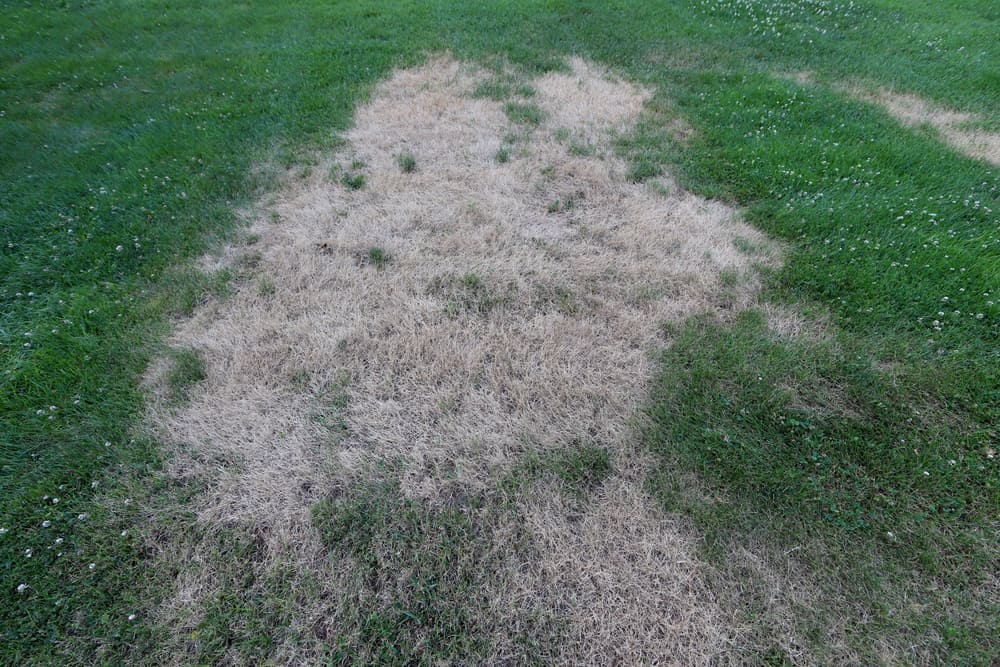
Every summer, Knoxville homeowners watch patches of their lawn turn yellow and brown during hot, dry stretches — and assume the lawn just needs water. They run the irrigation system. Nothing improves. The patches keep spreading. By the time they call us, the damage is weeks deep and the chinch bugs are long gone from the worst areas, having moved on to fresh turf.
Chinch bug damage and drought stress look almost identical on the surface. The difference is that one improves with water and the other gets worse. Knowing which you're dealing with before you react can mean the difference between a quick treatment and a full lawn restoration.
What Chinch Bugs Are and Why They Cause So Much Damage
Chinch bugs (Blissus leucopterus and related species) are tiny insects — adult southern chinch bugs are roughly 1/5 of an inch long — that feed by piercing grass blades and extracting plant fluids. As they feed, they inject a toxic saliva that disrupts the plant's water transport system. This is the key to understanding the damage pattern: affected grass doesn't just lose moisture, it loses the ability to move moisture through its tissue at all.
That's why watering an infested lawn doesn't help. The grass looks drought-stressed because it functionally is — but the cause isn't lack of water in the soil, it's chinch bug feeding blocking water uptake inside the plant itself.
Where They Show Up First
Chinch bugs are heat-seekers. Infestations almost always start in the hottest, sunniest parts of the lawn and spread outward from there. If you're seeing damage, look for it first:
- Along south- and west-facing slopes that get afternoon sun
- Next to driveways, sidewalks, and foundations — anywhere concrete or pavement radiates heat
- In lawn areas that dry out the fastest after rain
- Around the perimeter where lawn meets hardscape
The damage moves outward as bugs migrate looking for new feeding sites. This radial spread pattern — a browning core with a yellowing outer ring — is one of the clearest visual indicators of an insect problem versus a watering problem, which tends to be more uniform across a zone.
Do not overwater suspicious patches. Waterlogged soil in hot weather creates ideal conditions for fungal disease on top of whatever insect damage may already be present. If your brown patches aren't responding to irrigation after 3–4 days, stop watering and investigate before adding more.
How to Tell Chinch Bug Damage from Drought Stress
| Characteristic | Drought Stress | Chinch Bug Damage |
|---|---|---|
| Pattern | Uniform across irrigation zones | Irregular patches, often starting near hardscape |
| Response to watering | Improves within a few days | No improvement; may continue spreading |
| Turf texture | Blades fold lengthwise, lawn feels spongy | Blades turn straw-yellow, then brown and crispy |
| Patch edges | Gradual fade to green | Yellow-to-green border (active feeding zone) |
| Time of year | Any dry period | Peak: June through August in Knoxville |
How to Confirm Chinch Bugs Are Present
If the visual pattern suggests an insect problem, there are two quick field tests you can do before calling a professional:
The Float Test
Cut both ends off a large metal can (like a coffee can), push it 2–3 inches into the soil at the edge of a damaged patch, and fill it with water. Wait 5–10 minutes. If chinch bugs are present, they'll float to the surface — they're tiny, black and white insects about the size of a sesame seed. Finding just 15–20 per square foot indicates an infestation that warrants treatment.
The Part-and-Look Method
Get down at ground level and part the turf at the edge of a damaged area where the grass transitions from yellow to still-green. Chinch bugs prefer to stay in this active feeding zone. Use a magnifying glass if you have one — you're looking for the tiny insects moving at the base of the grass stems, where thatch meets soil.
The edge of the damage is the right place to look. Chinch bugs move away from areas where the grass is already dead. If you're searching in the brown center of the patch, you'll find nothing — the bugs have already moved outward to fresher turf.
Knoxville Timing: When to Expect Chinch Bug Pressure
In East Tennessee, chinch bug populations build through late spring and peak during the hottest weeks of summer — typically mid-June through August. A second generation can appear in August and September, and this late-season flush often catches homeowners off guard because temperatures are starting to moderate and drought seems less likely.
Fescue lawns, which make up the majority of Knoxville residential turf, go semi-dormant during summer heat stress. This natural slow-down reduces the grass's ability to outcompete or recover from chinch bug feeding, which is part of why summer damage in fescue lawns can look so severe. Bermuda and Zoysia are somewhat more tolerant of chinch bug pressure but are not immune.
Treatment and Prevention
Once confirmed, chinch bug infestations require targeted insecticide applications at the base of the turf canopy — where the insects actually live — not broadcast spraying at leaf level. Spot treatments at the edge of active damage zones are more effective than whole-lawn applications early in an infestation.
For prevention, the most effective long-term strategies are:
- Reduce thatch buildup. Chinch bugs thrive in thick thatch layers. Annual core aeration and overseeding helps keep thatch in check and improves turf density, which naturally resists infestation.
- Avoid over-fertilizing with nitrogen in summer. Lush, soft growth from excessive nitrogen feeding is more attractive to chinch bugs and more vulnerable to their toxic saliva.
- Maintain appropriate irrigation. Lawns under chronic water stress are more susceptible. Deep, infrequent watering (rather than frequent shallow watering) produces a healthier root system and more resilient turf.
- Monitor edges consistently. Walk your lawn perimeter weekly during peak season. Early detection is the single most effective way to limit the extent of damage.
When to Call a Professional
If you've confirmed chinch bug presence through a float test and the damage spans more than 200–300 square feet, professional treatment will almost certainly be more effective and less expensive than DIY approaches. Consumer-grade products are formulated differently from professional applications and typically require multiple treatments to achieve the same control level.
More importantly: if the infestation is active during summer heat stress on fescue, the grass in affected areas may not recover on its own even after the bugs are gone. A professional assessment can tell you what's worth treating versus what will need to be reseeded in the fall.
Think You Have Chinch Bug Damage?
Our certified technicians can assess your lawn, confirm the problem, and put together a targeted treatment plan. Free estimates, 24-hour response.
Request a Free Assessment