.png)
Grubs. Chinch bugs. Armyworms. Pests that target Southeastern lawns can cause serious, fast-moving damage, and the destruction often starts underground before you see any signs above it.
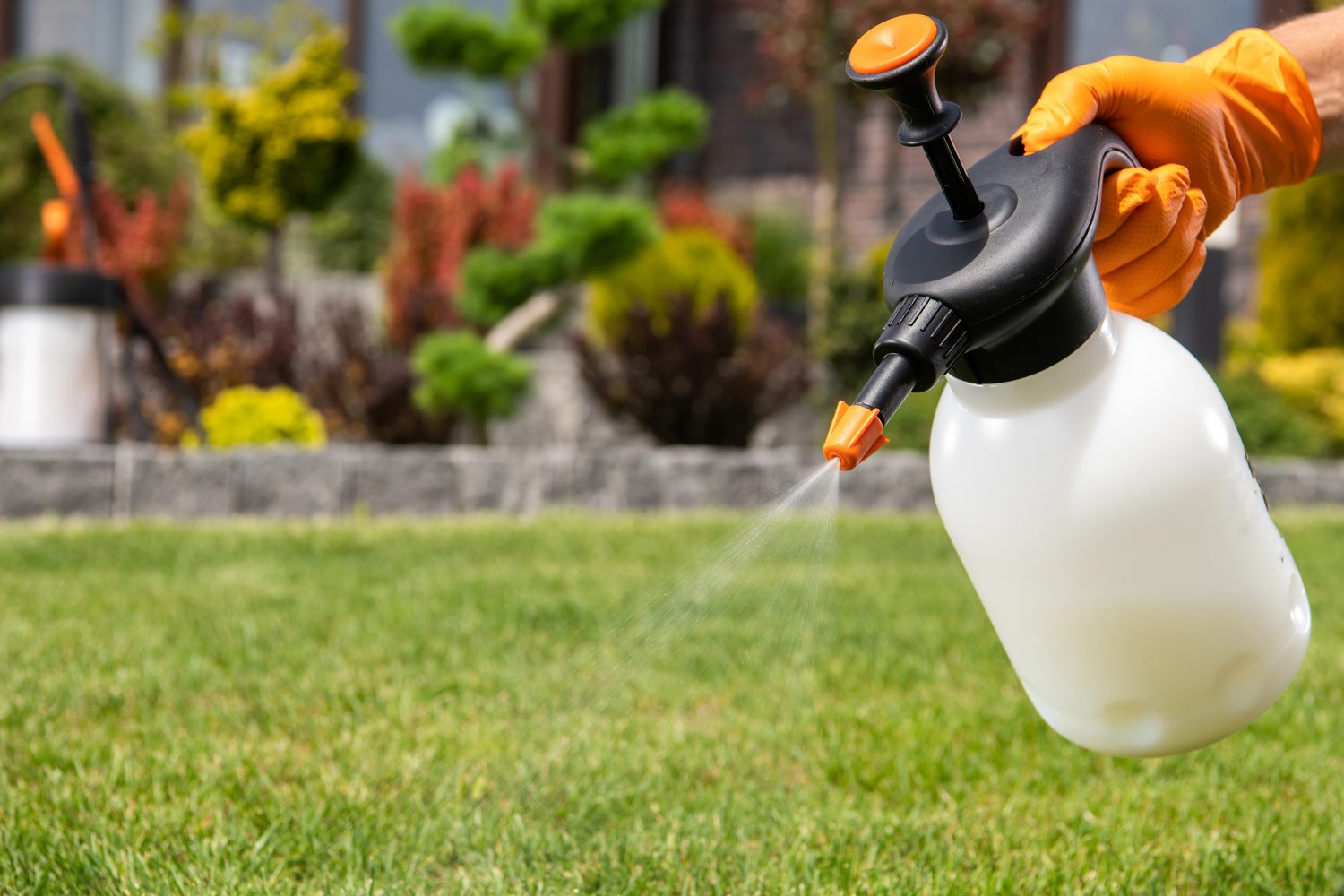
Turf pest control requires precision. Different insects require different treatments at different times of year, and misidentifying the pest or mistiming the application means wasted money and continued damage. Canvas's certified technicians know the turf pest calendar for the Southeast and apply treatments when they're most effective.
Targeted treatments for white grubs and mole crickets that feed on grass roots just below the soil surface, often before any visible damage appears.
Control of armyworms, chinch bugs, sod webworms, and other above-ground turf pests that can destroy large areas of lawn within days.
Fast-acting applications for active pest pressure that stop damage immediately and protect the surrounding turf from further loss.
Scheduled applications timed to the pest calendar to stop infestations before they begin. It's the most cost-effective approach for at-risk properties.
The Southeast's warm, humid climate supports a range of turf-damaging insects. Knowing which pest you're dealing with is the first step to effective control:
| Pest | Signs & Damage |
|---|---|
| White Grubs | Larvae of Japanese beetles and masked chafers feed on roots below the surface. The first sign is irregular brown patches that pull up like carpet, because the roots have been eaten away. |
| Armyworms | Fast-moving caterpillars that can devastate large sections of turf within days. The Southeast sees fall armyworm outbreaks particularly during warm, dry late summers. |
| Chinch Bugs | Common in warm-season grasses. Chinch bugs suck plant fluid and inject a toxin, causing distinct yellow-to-brown patches that usually start in hot, sunny areas of the lawn. |
| Sod Webworms | Moth larvae that feed on grass blades at night. Signs include irregular tan patches and small moths flying low over the lawn at dusk. |
| Mole Crickets | Burrow through soil and sever grass roots, creating raised tunnels and causing turf to dry out rapidly. Particularly damaging in warm-season grass regions. |
Select your location to learn about services, scheduling, and what to expect in your area.
Classic signs include irregular brown patches that feel spongy underfoot, turf that peels up like loose carpet, and increased activity from birds, moles, or skunks digging in your lawn (they're hunting the grubs). Canvas can confirm with a soil inspection.
Preventive grub treatments are most effective applied in late spring to early summer, before eggs hatch and while young larvae are near the soil surface. Curative treatments can be applied in late summer when grubs are actively feeding, though they're somewhat less effective than preventive timing.
Yes, when used as directed. We use professional-grade products applied by licensed technicians who follow all label requirements. We'll advise you on re-entry times after treatment. Typically, once the product has dried, the area is safe for people and pets.
Treating an active infestation stops further damage and allows your lawn to begin recovering. Heavily damaged areas may need overseeding after pest control to restore turf density. Canvas will assess the damage and recommend next steps.
Get expert turf pest diagnosis and treatment from Canvas Lawn & Shrub Care. Free estimate, no obligation.
Get My Free Estimate