.png)
Compacted soil is one of the most common, and most overlooked, reasons lawns struggle across the Southeast. Aeration breaks it up, overseeding fills it in. Together, they're the most impactful thing you can do for a tired, stressed lawn.
Over time, soil compacts under foot traffic, mowing equipment, and the weight of clay-heavy Southeastern soils. Compacted soil prevents water, air, and nutrients from reaching grass roots. The result: a lawn that looks okay on the surface but is struggling underneath.
Machine-driven removal of soil plugs to relieve compaction and open channels for water, air, and nutrients to reach the root zone.
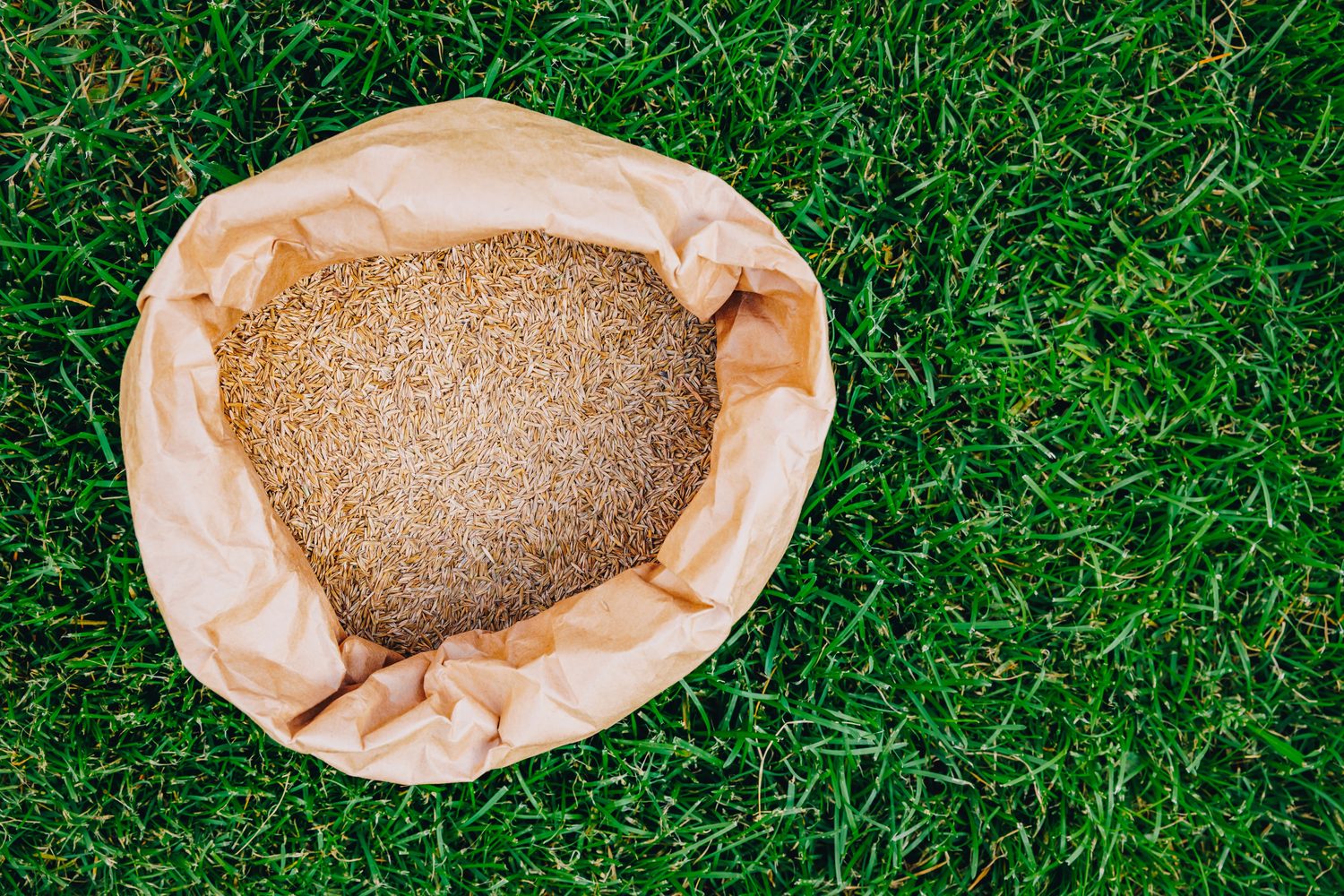
High-quality seed selected for Southeastern turf types, distributed directly into aeration holes for maximum soil contact and germination.
A targeted nutrient boost applied post-seeding to support root establishment and give new grass the best possible start.
A specific watering schedule and care plan tailored to your lawn and the time of year, so your investment gets the follow-through it needs.
Timing aerification to your grass type is critical. Canvas will advise you on the optimal window, but here's the general framework for Southeastern lawns:
| Grass Type | Best Time to Aerate | Why |
|---|---|---|
| Cool-season grasses Tall fescue, Kentucky bluegrass |
Early-to-mid fall Late August – October |
Soil temperatures still warm enough for germination; cooling air temps favor cool-season growth and reduce summer weed competition. |
| Warm-season grasses Bermuda, Zoysia |
Late spring – early summer | Grass is actively growing and can recover quickly from the aeration process. |
| Avoid aerating in summer heat stress | Peak summer months | Open aeration channels dry out rapidly in high heat, potentially harming more than they help. Wait for the right window. |
Select your location to learn about services, scheduling, and what to expect in your area.
Most lawns across the Southeast benefit from aeration once per year, particularly those with heavy clay soils or high foot traffic. Lawns with very compacted soil or thin turf may benefit from aerating twice per year initially.
Briefly, yes. The soil plugs pulled by the aerator will be scattered across your lawn for a week or two before they break down. This is normal and temporary. Within a few weeks of aerating and overseeding, you'll start to see new grass growth filling in thin areas.
Yes. Consistent moisture is critical for germination. We'll give you a specific watering schedule based on your lawn and the time of year. Generally, you'll need to keep the seed bed moist (light, frequent watering) for the first 2–3 weeks until seedlings establish.
New grass seed typically germinates within 7–14 days under good conditions. Full establishment takes 4–8 weeks. You'll see noticeable thickening of thin areas within one full growing season.
Ready to schedule aerification and overseeding? Get in touch with your local Canvas team.
Get in Touch